
What Is Gender Reassignment Surgery?
Gender reassignment surgery, also known as sex reassignment surgery (SRS) or gender affirmation surgery, is a procedure designed to help individuals align their physical body with their gender identity. At Kamol Cosmetic Hospital, the focus is on medically supporting patients with gender dysphoria by offering a surgical solution that improves both psychological well-being and quality of life. While hormone therapy and other transition-related surgeries may be part of a patient’s journey, SRS is often the most transformative step.
What Do the Results Look Like?
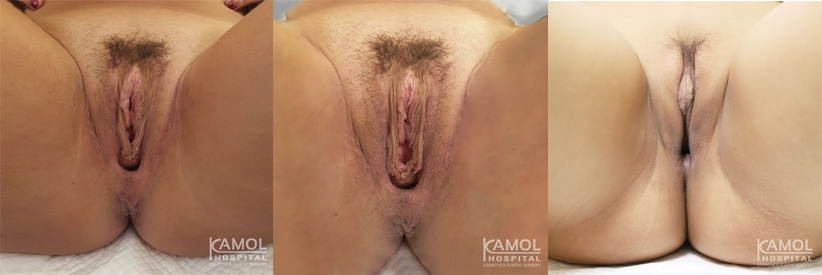
To see examples of patient outcomes, please visit our Before & After gallery and video section, where you can explore surgical results and real patient stories.
Explore our Before & After gallery to see real results (click to unblur)
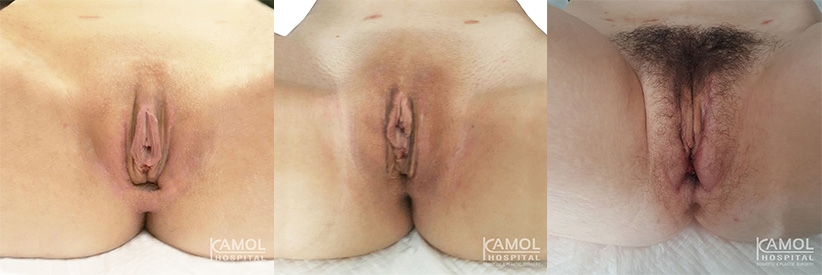
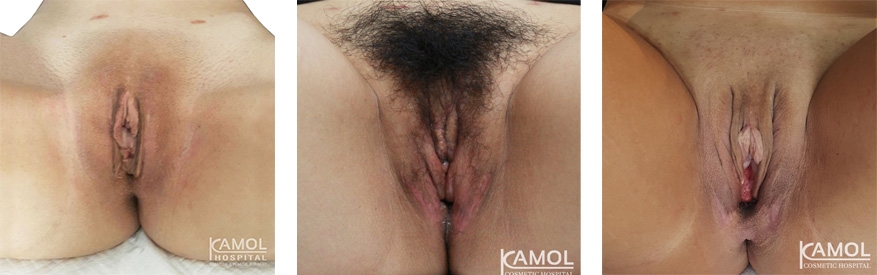
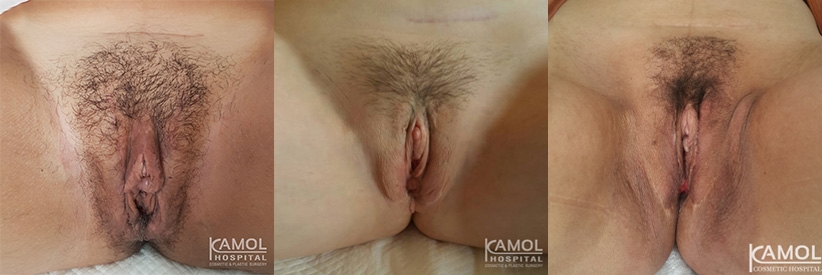
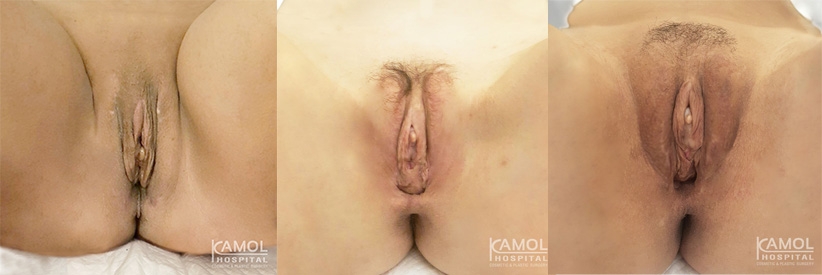
What Are the Costs of Gender Reassignment Surgery?
The cost of gender reassignment surgery can vary based on the chosen surgical technique, individual anatomy, and medical history. For accurate information tailored to your situation, we recommend contacting Kamol Cosmetic Hospital directly for a free consultation. Our team will guide you through options and pricing based on your personal goals.
Who Is a Good Candidate for Gender Reassignment Surgery?
You may be a suitable candidate if you:
- Are at least 20 years old (or have guardian consent if under 20)
- Have lived as a woman for at least one year
- Have undergone continuous hormone therapy for one year
- Experience gender dysphoria
- Are in good physical and mental health
- Have been evaluated and approved by a psychiatrist
What Are the Benefits of Gender Reassignment Surgery?
- Natural-looking female genitalia
- Preservation of sexual sensation and pleasure
- Creation of a functional vaginal canal, where applicable
- Increased self-confidence and alignment between gender identity and physical body
- Minimised visible scarring through advanced surgical techniques
What Is the Procedure Process?
The procedure typically includes:

General Anaesthesia
The patient is placed under general anaesthesia to ensure a pain-free, unconscious state during surgery.

Creating Space for the Neovagina
A surgical cavity is carefully formed between the rectum and bladder to accommodate the neovagina.

Skin Harvesting from the Penis and/or Scrotum
Skin tissue is collected from the penis and/or scrotum to be used in constructing the vaginal canal and external genitalia.

Preservation and Relocation of Sexual Nerves
Sensory nerves are precisely preserved and relocated to support future sexual sensitivity, particularly in the clitoris.

Repositioning the Urethra
The urethra is shortened and repositioned to a more anatomically appropriate female location.

Sculpting External Female Genitalia
The clitoris, labia majora, and labia minora are artistically shaped to create natural-looking female genitalia.
What Is the Recovery Process Like?
Non-intestinal surgery:
- 4–6 nights in hospital
- Bed rest and wound care for up to 6 days
- Return to light activity after 3 weeks
- Full recovery in approximately 3 months
Intestinal surgery:
- 3 days of bowel rest with IV fluids
- Gradual reintroduction of diet
- Longer monitoring and recovery time
General guidelines:
- Dilation may be required to maintain vaginal depth
- Avoid strenuous activity and sexual intercourse for at least 2 months
- Regular follow-up appointments
What Are the Risks or Side Effects?
While generally safe, potential risks include:
- Bleeding, bruising, or infection
- Poor wound healing or flap necrosis
- Vaginal or urethral stenosis
- Reduced sensation
- Scarring or asymmetry
- Rare complications (e.g., recto-vaginal fistula, DVT, anaesthesia side effects) Our expert team uses nerve-sparing and scar-minimising techniques to reduce risks.
What Questions Do Patients Commonly Ask?
Do I need to stop hormones before surgery?
Yes, 1–2 weeks prior, under your doctor’s guidance.
Is hair removal needed?
Hair removal depends on the surgical technique. Your surgeon will provide personalised instructions.
Can overweight patients have SRS?
There are BMI and weight limits for certain techniques. We recommend maintaining a BMI under 30 for optimal results and safety.
Will I lose sexual sensation?
Kamol’s advanced techniques prioritise nerve preservation and multiple sensory points to support sexual pleasure post-surgery.
Will I need lifelong dilation?
This depends on the technique used. Colon vaginoplasty may not require lifelong dilation; others might.
Is the result permanent?
Yes, the changes are permanent, though revision surgery may be needed in some cases.