
FTM Hysterectomy / Bilateral Salpingo-Oophorectomy (BSO) in Bangkok, Thailand
WPATH considers hysterectomy with and without salpingectomy/oophorectomy to be a necessary component of gender-affirming surgical therapy for transmen who choose to seek this procedure. Hysterectomy has been successfully combined with other gender-affirming surgeries performed in the same operating suite, including vaginectomy, mastectomy, and genital reconstruction, such as metoidioplasty or phalloplasty. Kamol Cosmetic Hospital provides FTM hysterectomy 4 techniques as follows below;
1. Laparoscopic technique
Instead of making a large incision, the new technique makes only a few tiny incisions through which thin instruments pass through the abdomen. This new technique significantly reduces scaring, pain, healing time, blood loss, and the duration of hospital stay compared to the open procedure.
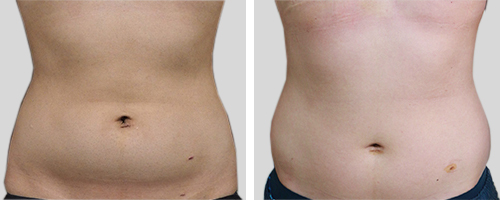
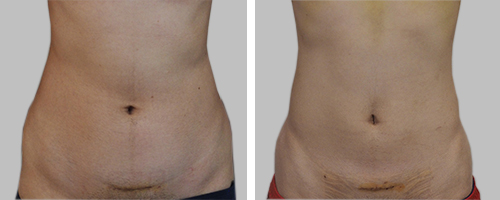
2. Abdominal Hysterectomy with Bilateral Salpingo-Oophorectomy (BSO) or Open Technique
A transverse incision is an abdominal wall, usually above the pubic bone, as close to the upper hairline of the individual’s lower pelvis as possible, similar to the incision made for a cesarean section approximately 4-5cm long. This technique allows the surgeon the most exceptional access to the reproductive structures and performs the removal of the entire reproductive complex. Abdominal hysterectomy is the most common method. The recovery time for an open hysterectomy is 4–6 weeks.
3. Subsequently, the Vaginal or V technique:
Vaginal hysterectomy is performed entirely through the vaginal canal and has clear advantages over abdominal surgery, such as fewer complications, shorter hospital stays, and quicker healing time. If this technique is complicated, surgical exploration will be required.
4. Natural Orifice Transluminal Endoscopic Surgery Hysterectomy with Bilateral Salpingo-Oophorectomy (BSO) & Oophorectomy or NOTE technique
A new technique removes the uterus and ovaries. They were developed from total laparoscopic hysterectomy and transvaginal hysterectomy procedures, which provide more safety. The surgeon inserts a vaginal speculum into the vagina and inserts the shield into the vagina to protect the cervix. Then the surgical instrument is inserted into the vagina. After dissection, both uterus and ovaries are removed from the vagina opening.
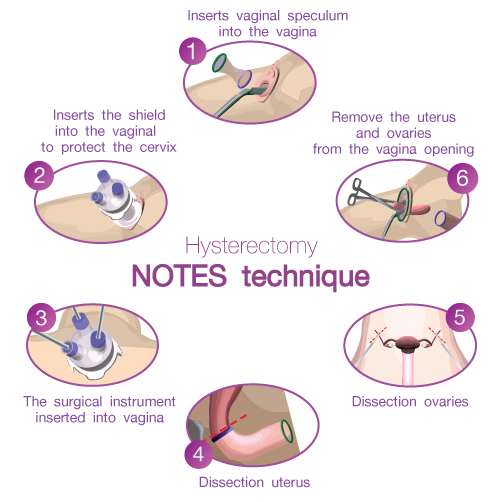
Advantage of Hysterectomy NOTE technique
- No scar
- Less postoperative pain
- Shorter hospital stay and quick recovery of bowel function
- Shorter recovery and faster return to daily activities
- Less complication from bleeding during surgery or less chance of injury in the abdomen
Preparation for Hysterectomy Surgery
Gather information. Learn as much as you can about having a hysterectomy. Make sure you understand how the procedure will go and what is involved in the recovery process.
Lose weight if you’re overweight. Being overweight can increase the risks associated with surgery and anesthesia, and severe obesity can increase surgery time and blood loss. If you’re overweight, talk to your doctor about the best way to go about losing weight before your surgery.
Stop smoking. Stopping or cutting down on smoking as much as possible can help with general anesthesia and recovery from surgery; smokers may have problems breathing during surgery, and they tend to heal more slowly afterward.
Discuss your medication with your doctor. Talk to your doctor about whether you need to change your usual medication routine before having a hysterectomy. It would be best to inform your doctor about any over-the-counter medications, such as aspirin or dietary supplements. Some supplements can help prepare you for a hysterectomy. For example, taking a daily multivitamin can help improve general health, and vitamin C can help promote healing. Talk to your doctor about recommended supplements you might take before your hysterectomy surgery.
Make sure other medical conditions are well-controlled. If you have diabetes, high blood pressure, sleep apnea, or other medical conditions, check with your doctor to make sure they’re under control before you have a hysterectomy. When other pre-existing conditions are managed,
Eat light. Limiting heavy foods and avoiding big meals can help you feel better before and after the procedure. “Eating healthy is always important, but even more so when you plan to have surgery.
Post-operative Care for Hysterectomy
- After having a hysterectomy, you will feel tired and in some pain. This is normal after this type of surgery. You will get a painkiller
- You may have a drainage tube in your abdomen (if you have had an abdominal hysterectomy) to take away any blood from beneath your wound – these tubes usually stay in place for 1 to 2 days
- You may have a gauze pack inserted into your vagina (if you have had a vaginal hysterectomy) to minimize the risk of bleeding – this usually stays in place for 24 hours
- you’ll be encouraged to take a short walk the day after your operation. This helps your blood to flow normally, reducing the risk of complications developing, such as blood clots in your leg
- After removing the catheter, you should be able to pass urine normally.
- Any stitches that need to be removed will be taken out 5 to 7 days after the operation.
Recovery for Hysterectomy Surgery
Risks and Complications for Hysterectomy Surgery
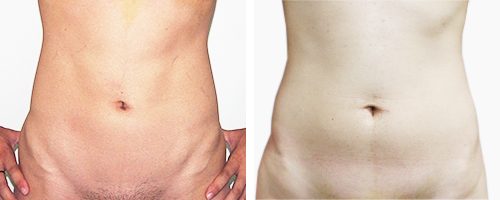
Before and After for Hysterectomy with BSO
What Questions Do Patients Commonly Ask?
What is an FTM Hysterectomy?
An FTM hysterectomy is a surgical procedure that removes the uterus and sometimes the ovaries and fallopian tubes in female-to-male transgender individuals. It’s a significant step in gender affirmation for many, as it eliminates menstruation and reduces the production of female hormones. This can help alleviate gender dysphoria and create a physical experience that aligns more closely with a male identity.
Why might someone choose to have an FTM Hysterectomy?
People choose to have the procedure for various reasons. Primarily, it helps align their body with their gender identity. Removing the uterus stops menstruation, which can be a source of dysphoria for transgender men. Additionally, removing the ovaries reduces estrogen production, which can further aid in masculinization.
Some individuals may also choose this surgery to reduce the risk of certain gynecological cancers.
What are the different surgical techniques?
There are several approaches:
- Vaginal Hysterectomy: The uterus is removed through the vagina, leaving no visible scars.
- Open Hysterectomy: This involves an incision in the abdomen to remove the uterus.
- Laparoscopic Hysterectomy: Small incisions are made in the abdomen, and the uterus is removed using specialized instruments and a camera. This typically results in less scarring and faster recovery than an open hysterectomy.
- Robotic-Assisted Laparoscopic Hysterectomy: Similar to a laparoscopic hysterectomy, but with the added precision and dexterity of a robotic surgical system.
Does Kamol Hospital offer scarless hysterectomy for transgender men?
Yes, Kamol Hospital offers scarless laparoscopic hysterectomy for transgender men. This technique involves removing the uterus through the belly button, leaving no visible scars. It’s a minimally invasive procedure that can result in less pain and faster recovery compared to traditional open surgery.
What are the benefits of having the procedure at Kamol Hospital in Thailand?
Kamol Hospital is a leading provider of gender-affirming surgeries, including hysterectomies for transgender men. Here are some of the benefits of choosing Kamol Hospital:
- Experienced Surgeons: Our surgeons are highly skilled and experienced in performing hysterectomies for transgender patients.
- Advanced Techniques: We offer the latest surgical techniques, including scarless laparoscopic hysterectomy.
- Comprehensive Care: We provide holistic care that addresses both the physical and emotional needs of our patients.
- Modern Facilities: Our hospital is equipped with state-of-the-art facilities to ensure patient safety and comfort.
- Affordable Prices: We offer competitive prices for our high-quality services.
What can I expect after an FTM hysterectomy?
After the procedure, you can expect some soreness and discomfort in the surgical area. You may also experience some vaginal bleeding. These symptoms are usually manageable with pain medication and should improve within a few days. You’ll need to avoid strenuous activity and heavy lifting for several weeks to allow for proper healing. Your surgeon will provide detailed post-operative instructions to ensure a smooth recovery.